

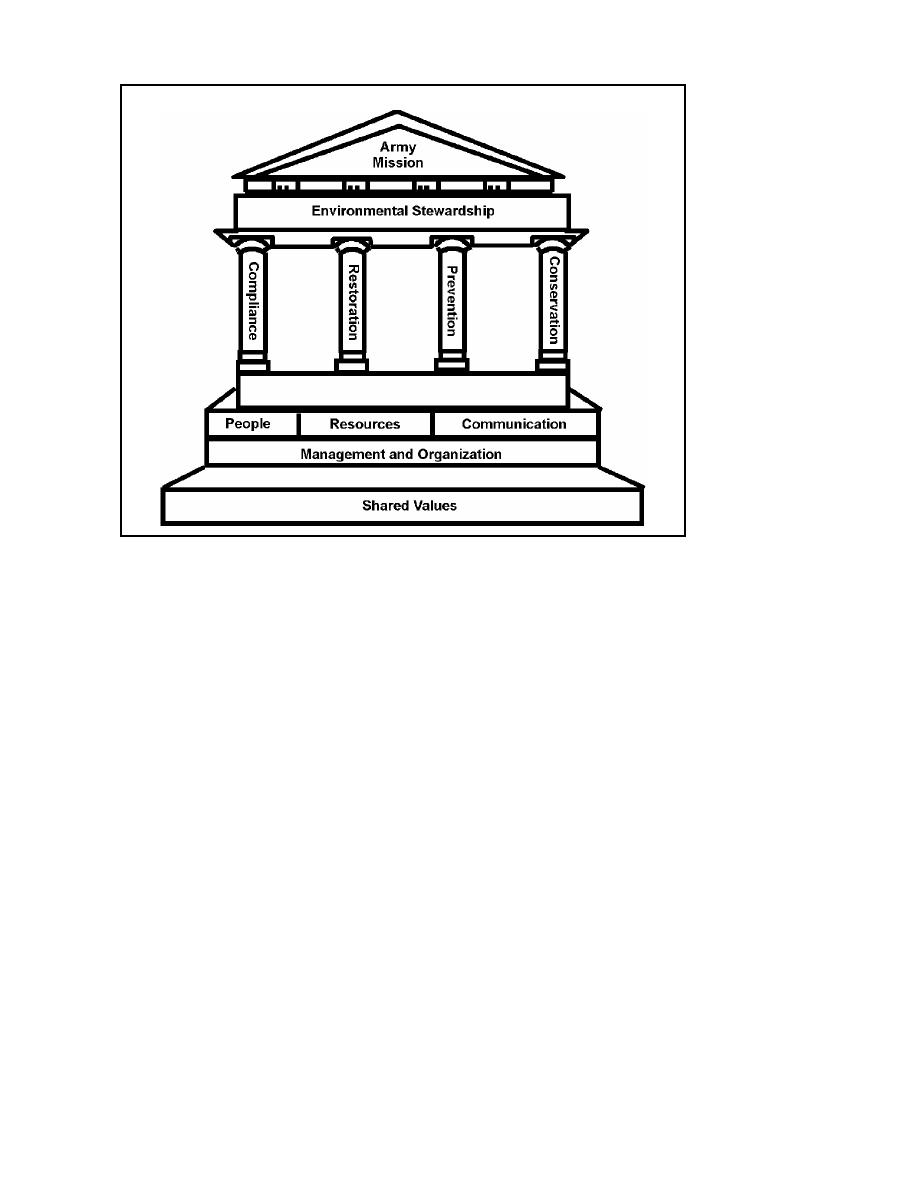
Figure 1-1. Army's Environmental Strategy Model
The Army's environmental strategy model, Figure 1-1, illustrates the Army's environmental strategy.
This strategy is founded on the bedrock of shared national values that fortify the Army and the nation.
The key building blocks--people, resources, communication, management, and organization--provide
the foundation for all Army activities, including environmental stewardship. These building blocks
support the Army's tradition of leadership. Strong commitment to each part of the foundation is critical to
ensure a solid base for environmental initiatives and long-term success. Army leadership, coupled with
the building blocks, provides a sound footing for the four pillars of compliance, restoration, prevention,
and conservation. These pillars represent parts of the environment that must work together. The
environmental model shows how these four pillars support environmental stewardship. The Army
mission, located at the top, requires the Army to manage and use natural resources wisely. Just as a
building's walls support its roof, the model's four pillars support environmental stewardship.
Environmental stewardship, in turn, supports the Army mission.
a. Compliance. The essence of compliance is obeying the law. Compliance includes all
activities that ensure operations and activities meet federal, state, local, and applicable host nation (HN)
environmental requirements. These requirements include laws and regulations for wastewater discharge,
noise abatement, air quality attainment, solid waste, and hazardous-waste (HW) management.
b. Restoration. Restoration includes all activities necessary to clean up contaminated military sites.
Most military units do not perform restoration; normally environmental staffs and contractors perform
this function. However, to make installations safer and healthier places for soldiers and their families, the
military services are now cleaning up contaminated sites. By following the principles of the other three
environmental strategies, soldiers help minimize the need for restoration.
EN 5702
1-4


 Previous Page
